
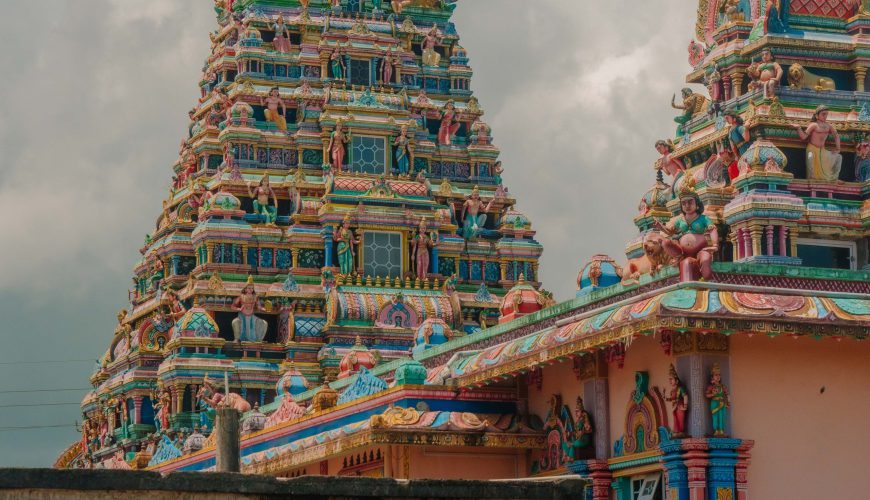
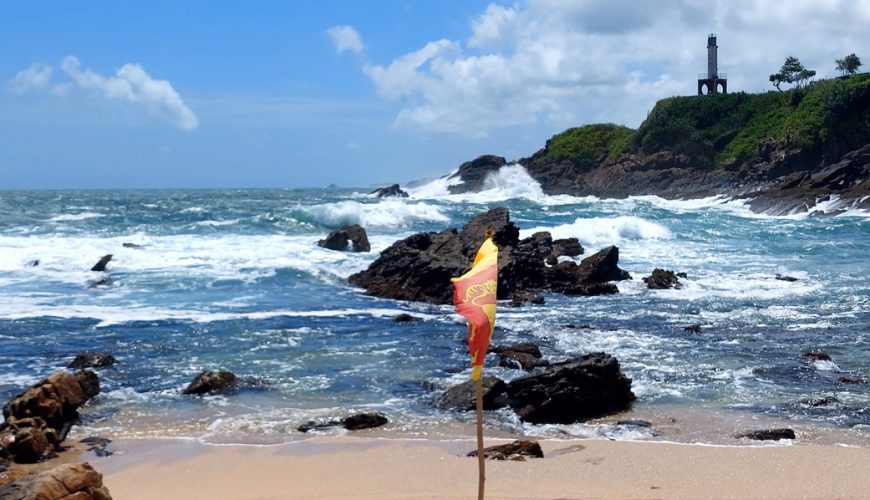

Sri Lanka is one of South Asia’s most rewarding destinations, offering stunning beaches, wildlife, ancient cities, tea plantations, and warm hospitality. To ensure a safe and enjoyable journey, here are the most important travel tips and concerns.
1. Respect Local Culture


Sri Lanka is a multicultural country with Buddhist, Hindu, Muslim, and Christian communities.
Tips:
- Dress modestly when visiting temples and religious sites.
- Cover shoulders and knees.
- Remove shoes and hats before entering temples.
- Never pose with your back directly facing Buddha statues for photos.
- Ask permission before photographing local people.
- A respectful greeting such as “Ayubowan” (May you live long) is appreciated.
2. Weather & Climate
Sri Lanka has a tropical climate with temperatures ranging from 25°C–32°C in most areas.
Bring:
- Lightweight clothing
- Sunscreen
- Hat
- Sunglasses
- Insect repellent
- Rain jacket (especially during monsoon seasons)
The hill country (Nuwara Eliya, Horton Plains, Ella) can be quite cool at night, so pack a light jacket.
3. Stay Hydrated
The tropical heat can cause dehydration.
- Drink bottled or filtered water.
- Carry a reusable water bottle if possible.
- Drink plenty of fluids during outdoor activities.
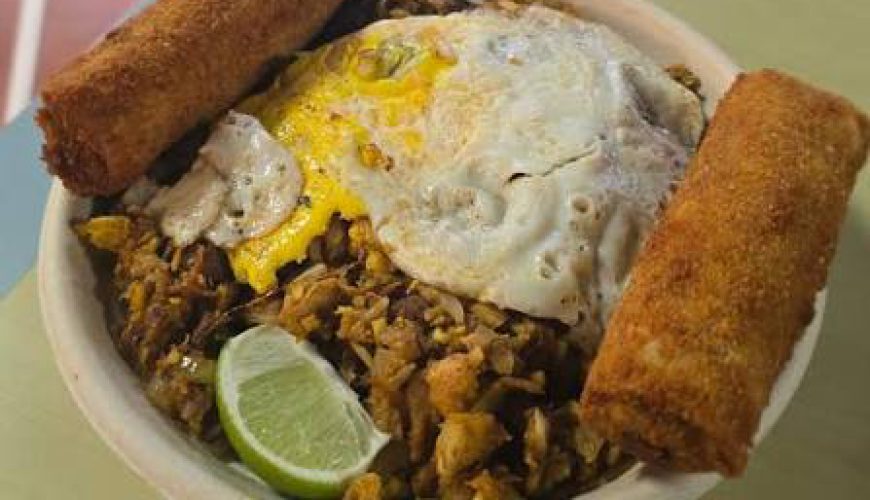
4. Food & Drinking Water


Sri Lankan cuisine is flavorful and often spicy.
Recommendations:
- Try Rice & Curry
- Kottu Roti
- Hoppers
- String Hoppers
- Seafood
- King Coconut
Safety Tips:
- Drink bottled water.
- Eat at busy, reputable restaurants.
- Introduce spicy food gradually if you’re not used to it.
5. Transportation
Roads can be narrow and traffic may be slower than expected.
Options include:
- Private chauffeur-guided tours
- Trains
- Tuk-tuks
- Ride-hailing apps (where available)
- Domestic flights (limited routes)
Plan extra travel time between destinations.
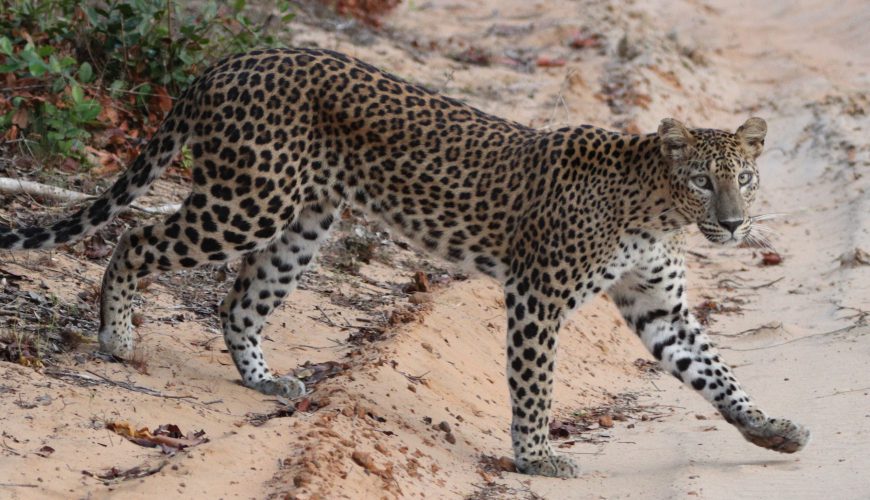
6. Wildlife Safety


During safaris:
- Stay inside the vehicle.
- Do not feed wildlife.
- Keep noise to a minimum.
- Follow park guide instructions.
- Maintain a safe distance from animals.
7. Ocean & Beach Safety
Sri Lanka has beautiful beaches but sea conditions can change quickly.
Always:
- Swim only where conditions are safe.
- Watch for strong currents and rip tides.
- Follow lifeguard advice where available.
- Avoid swimming alone.
8. Money & Payments
Currency:
- Sri Lankan Rupee (LKR)
Tips:
- Carry some cash for small shops and rural areas.
- Credit cards are widely accepted in hotels and larger restaurants.
- ATMs are common in cities and tourist areas.
9. Connectivity
- Buy a local SIM or eSIM for affordable mobile data.
- Free Wi-Fi is available in many hotels and cafés but speeds vary.
10. Health & Medical Care
Bring:
- Personal medications
- Basic first-aid kit
- Motion sickness tablets (for winding mountain roads)
- Hand sanitizer
Use mosquito repellent, especially around dawn and dusk.
11. Responsible Tourism
Support local communities by:
- Buying locally made handicrafts.
- Using licensed guides.
- Avoiding products made from endangered wildlife or coral.
- Minimizing plastic waste.
- Respecting nature and heritage sites.
12. Photography Etiquette
Before taking photos:
- Ask permission before photographing people.
- Avoid drone use in restricted areas without authorization.
- Respect photography restrictions at religious and military sites.
13. Shopping Tips
Popular souvenirs include:
- Ceylon Tea
- Cinnamon
- Gemstones (buy only from certified dealers)
- Batik
- Wooden masks
- Handloom textiles
- Spices
Always request receipts for valuable purchases.
14. Tipping
Tipping is appreciated but generally not mandatory.
Typical guidelines:
- Restaurants: 5–10% if a service charge is not included.
- Drivers and guides: Based on service quality.
- Hotel staff: Small tips are appreciated.
15. Electrical Power
- Voltage: 230V
- Frequency: 50Hz
- Plug types: Type D, M, and G (some accommodations provide universal sockets).
Carry a universal travel adapter.
16. Safety
Sri Lanka is generally considered a welcoming destination for tourists.
Common precautions:
- Keep valuables secure.
- Avoid displaying expensive jewelry.
- Use hotel safes when available.
- Be cautious in crowded areas.
- Use licensed taxis or reputable transport services.
- Follow local advice regarding weather or road conditions.
17. Best Time to Travel
Because Sri Lanka experiences two monsoon systems, there is usually a good region to visit throughout the year.
- West & South Coast: December–April
- East Coast: May–September
- Hill Country: January–April is generally the clearest period for hiking and sightseeing.
18. Useful Emergency Numbers
- Police: 119
- Ambulance / Emergency: 110
- Fire & Rescue: 111
Save these numbers before traveling.
Quick Checklist Before You Go
- ✔ Passport valid for at least 6 months
- ✔ Check visa requirements before departure
- ✔ Travel insurance
- ✔ Sunscreen and insect repellent
- ✔ Universal power adapter
- ✔ Light clothing and a jacket for the hill country
- ✔ Comfortable walking shoes
- ✔ Reusable water bottle
- ✔ Cash in Sri Lankan Rupees for small purchases
- ✔ Respect local customs and environmental guidelines
With a little preparation and an open mind, Sri Lanka offers an unforgettable mix of culture, nature, wildlife, and warm hospitality.


0 Comment