

Maduru Oya National Park


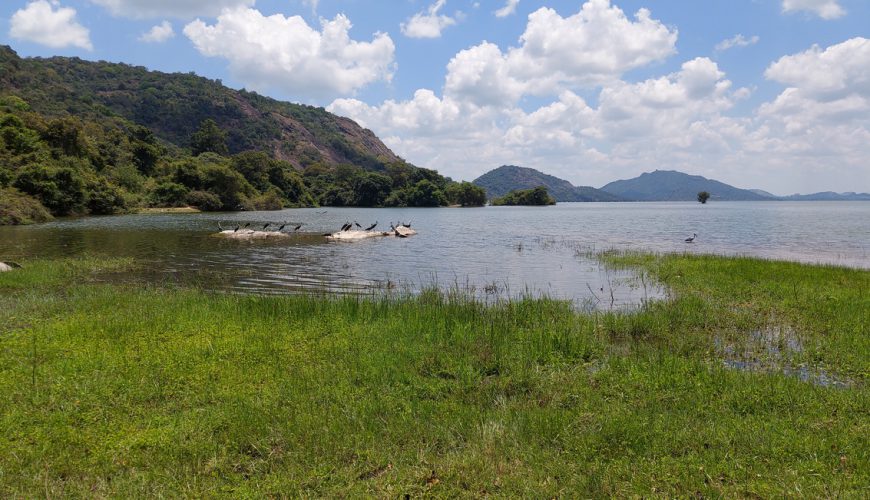
Maduru Oya National Park is one of Sri Lanka’s most peaceful and least-visited wildlife destinations. Located in the country’s eastern dry zone, the park spans over 58,800 hectares (588 km²) and is known for its vast forests, grasslands, wetlands, and the scenic Maduru Oya Reservoir. Established in 1983, the park was created to protect the watershed of the Mahaweli Development Project while conserving the region’s rich biodiversity.
Unlike the more popular national parks, Maduru Oya offers a tranquil safari experience with very few vehicles, allowing visitors to enjoy wildlife in a natural and undisturbed environment.
Location
- Province: Eastern Province (with parts extending into Uva and North Central Provinces)
- Nearest Towns: Mahiyanganaya, Dehiattakandiya, Aralaganwila
- Distance from Colombo: Approximately 280 km
- Travel Time: Around 6–7 hours by road
Highlights
- Remote and uncrowded safari experience
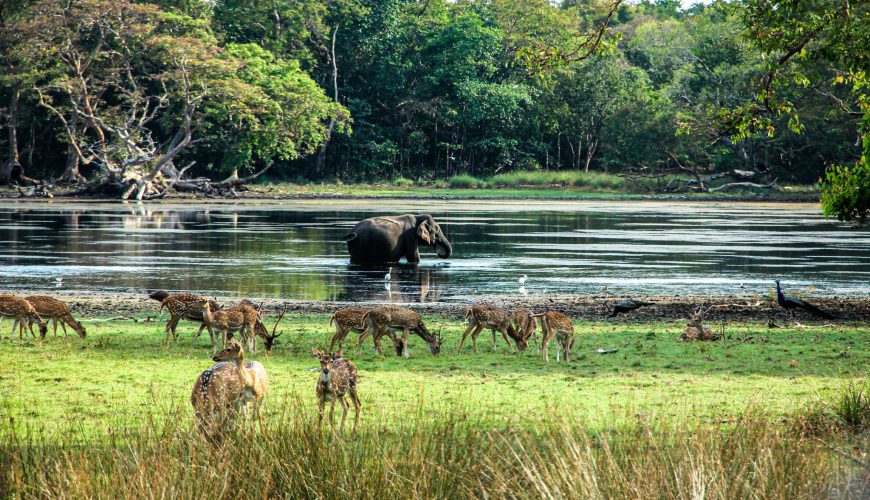
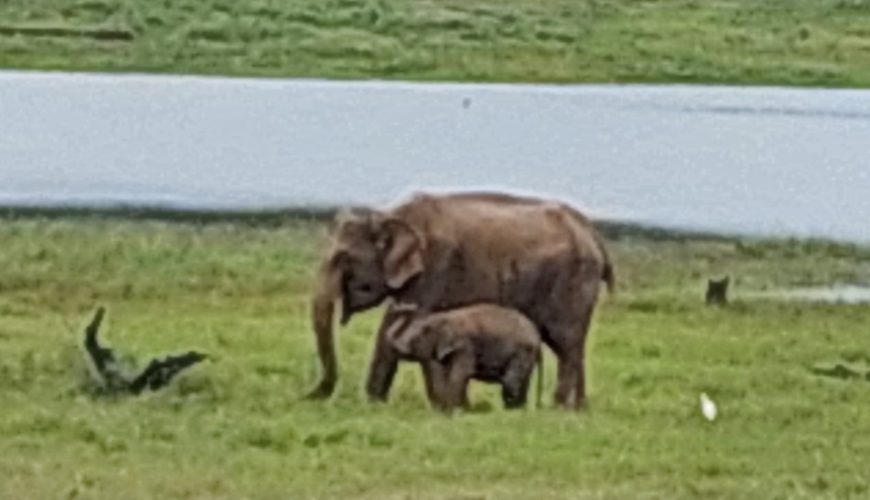
- Large herds of wild Asian elephants
- Beautiful Maduru Oya Reservoir
- Excellent birdwatching opportunities
- Ancient ruins and historical sites within the park
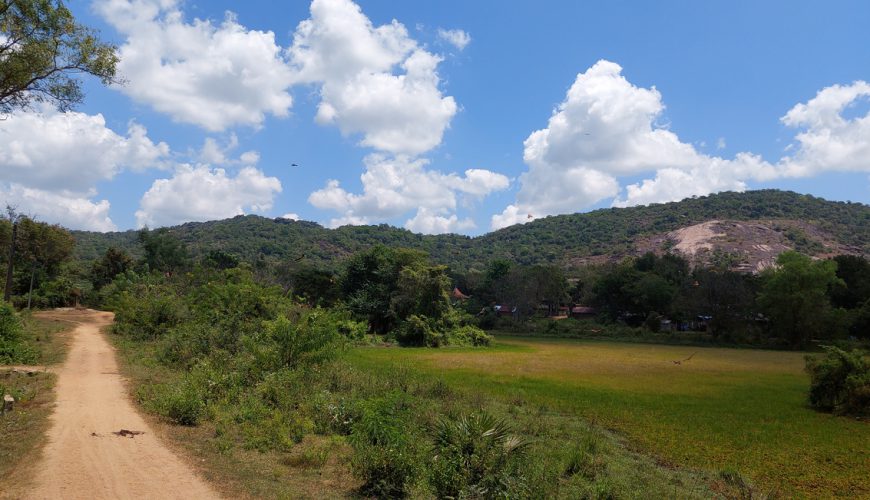
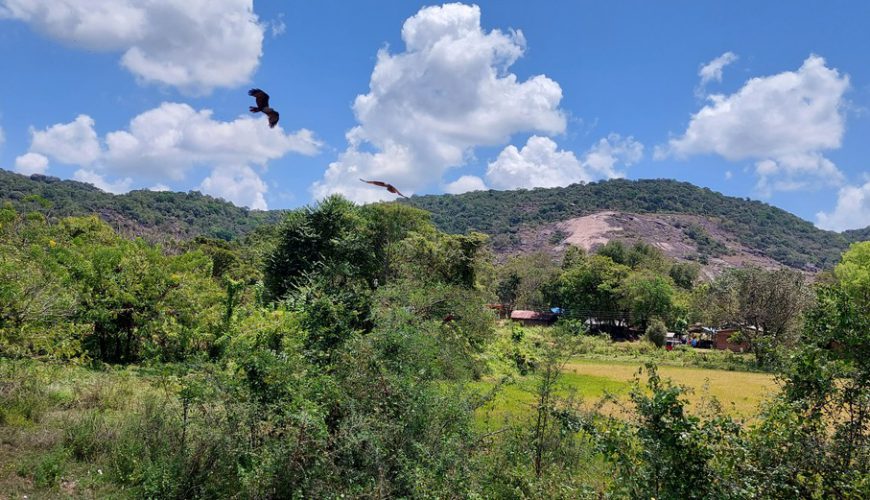
- Rich dry-zone forests and scenic landscapes
- Ideal for nature photographers and wildlife enthusiasts
Wildlife
Maduru Oya is home to an impressive variety of wildlife.
Mammals
- Sri Lankan Elephant
- Sri Lankan Leopard (rarely seen)
- Sloth Bear (occasionally spotted)
- Sambar Deer
- Spotted Deer
- Wild Boar
- Water Buffalo
- Grey Langur
- Toque Macaque
- Golden Jackal
- Fishing Cat
- Rusty-spotted Cat
Birds
Over 150 bird species have been recorded, including:
- Grey-headed Fish Eagle
- Crested Serpent Eagle
- Painted Stork
- Asian Openbill
- Lesser Adjutant
- Sri Lanka Junglefowl
- Peafowl
- Malabar Pied Hornbill
- Brown Fish Owl
- Black-headed Ibis
Reptiles
- Mugger Crocodile
- Water Monitor
- Bengal Monitor
- Indian Rock Python
- Star Tortoise
- Numerous freshwater turtles and snakes
Flora
The park is dominated by dry mixed evergreen forests, with additional habitats including:
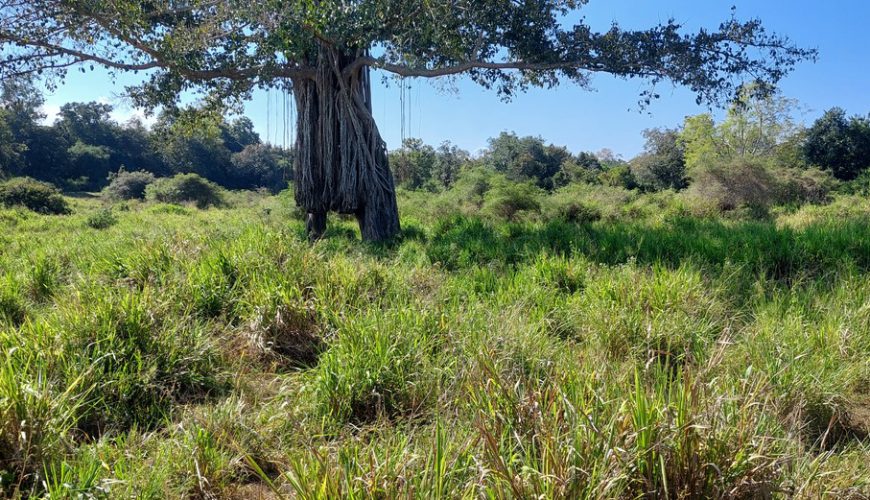
- Open grasslands
- Scrub forests
- Riverine forests
- Wetlands
- Reservoir shorelines
Common tree species include satinwood, ebony, kumbuk, palu, weera, and various medicinal plants.
Safari Experience
A safari in Maduru Oya is perfect for travelers seeking a quieter alternative to Sri Lanka’s busier parks.
Typical safari duration:
- Morning Safari: 6:00 AM – 10:00 AM
- Evening Safari: 3:00 PM – 6:00 PM
Visitors can enjoy:
- Elephant sightings
- Birdwatching
- Scenic reservoir views
- Photography
- Nature observation without large crowds
Best Time to Visit
| Season | Conditions |
|---|---|
| May – September | Excellent wildlife viewing with dry weather |
| October – January | Lush scenery after rains; wildlife remains active |
| February – April | Warm temperatures with good safari conditions |
The dry season generally provides the best opportunities to observe animals gathering near water sources.
Historical and Cultural Importance
Maduru Oya National Park also protects several archaeological sites, including ancient reservoirs, monasteries, and ruins dating back over 2,000 years. These remains reflect the region’s long history of irrigation engineering and Buddhist civilization.
The park is also associated with the indigenous Vedda communities, who have traditionally lived in the surrounding forests and maintained a close relationship with the natural environment.
Activities
- Jeep safaris
- Wildlife photography
- Birdwatching
- Nature interpretation
- Scenic drives
- Exploring historical sites
- Reservoir viewing
Visitor Information
- Park Entrance: Near Mahiyanganaya and Dehiattakandiya
- Nearest Airport: Batticaloa Domestic Airport (regional access)
- Recommended Visit Duration: Half-day or full-day safari
- Accommodation: Safari lodges, eco-resorts, and guesthouses are available in Mahiyanganaya, Aralaganwila, and nearby towns.
Why Visit Maduru Oya National Park?
Maduru Oya National Park is an ideal destination for travelers who value solitude, pristine landscapes, and authentic wildlife encounters. Its combination of rich biodiversity, expansive forests, scenic reservoirs, and cultural heritage makes it one of Sri Lanka’s best-kept safari secrets. With minimal tourist traffic and excellent opportunities to see elephants and birdlife, it offers an immersive and rewarding experience for nature lovers looking to explore beyond the country’s more famous national parks.
0 Comment