
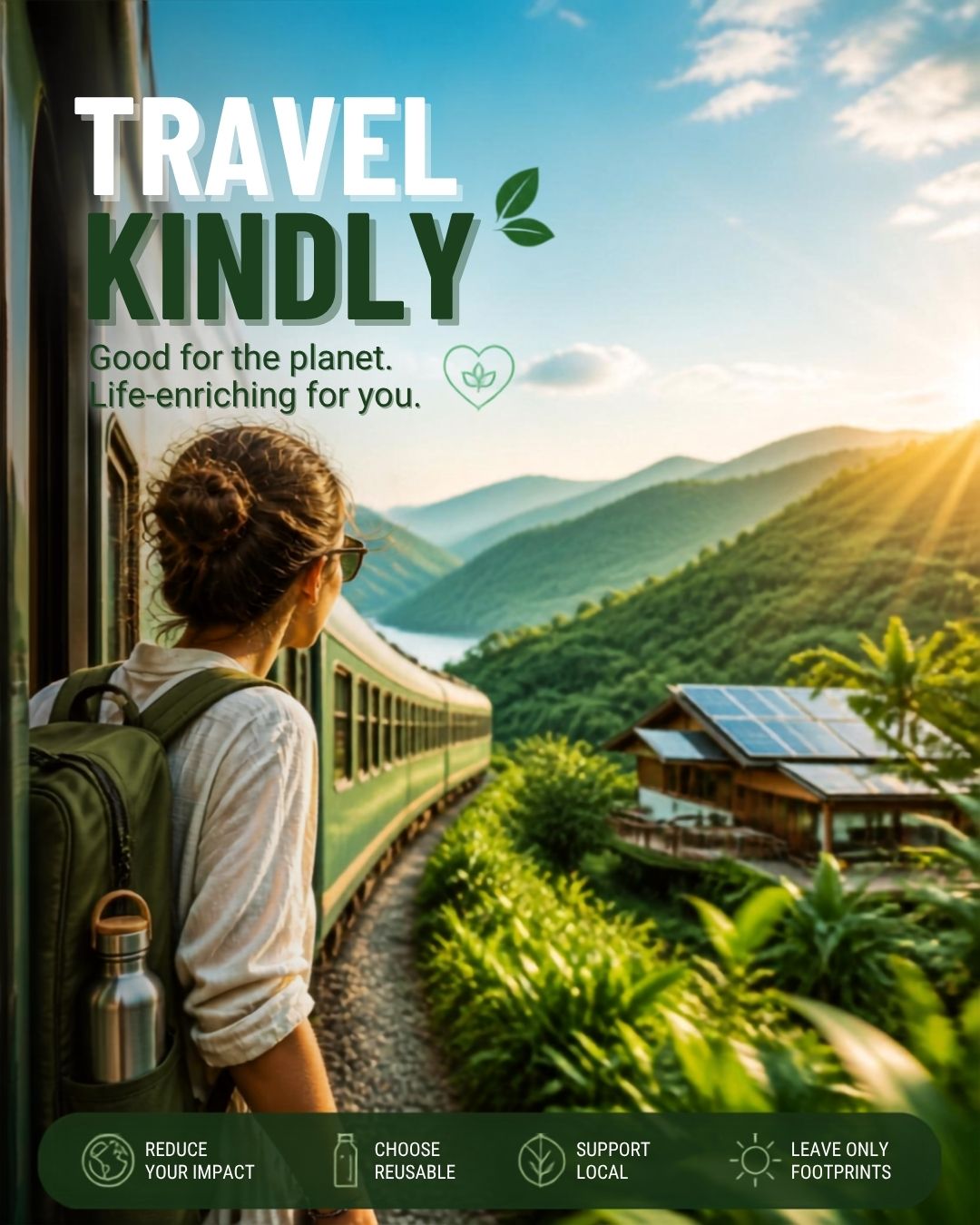

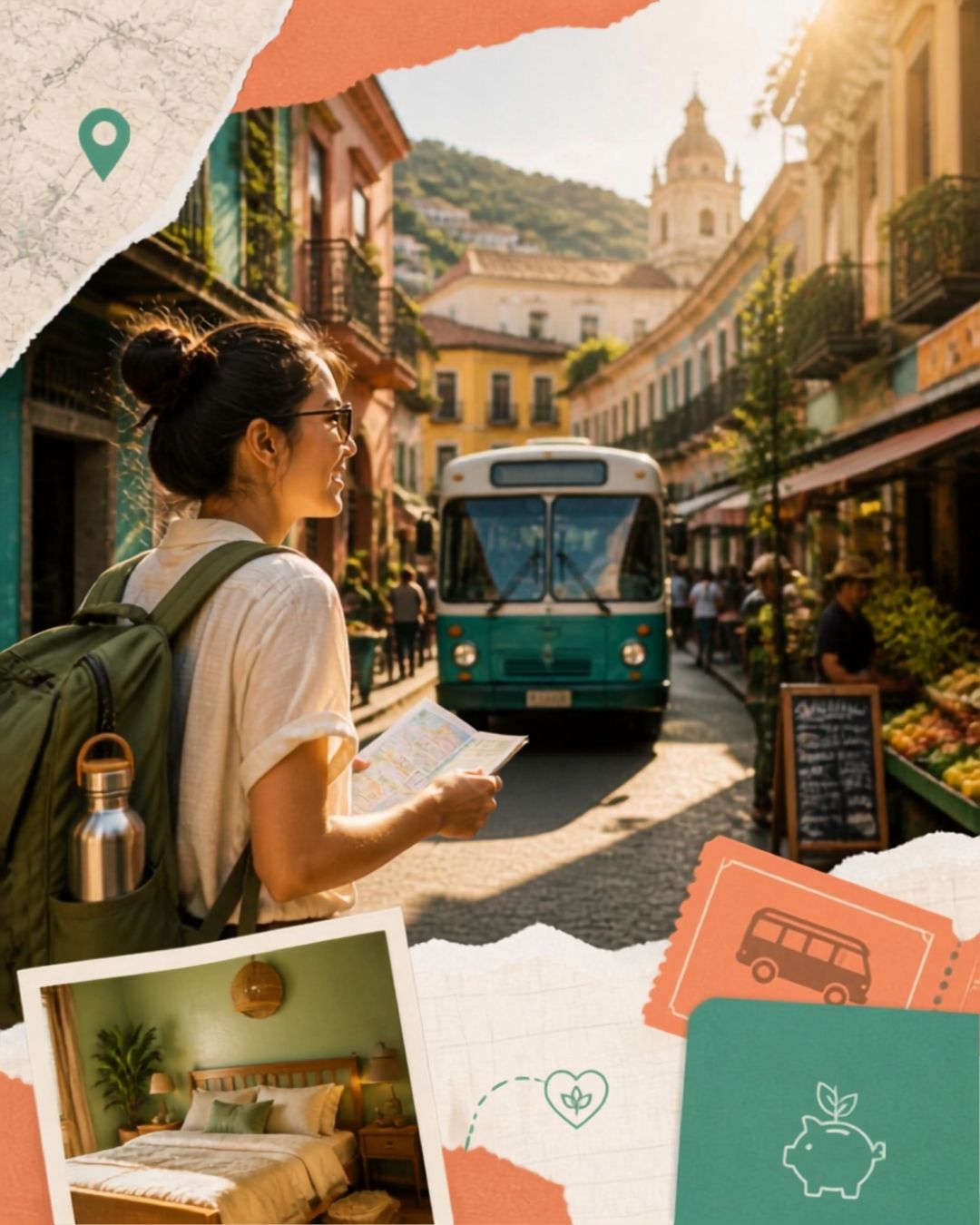
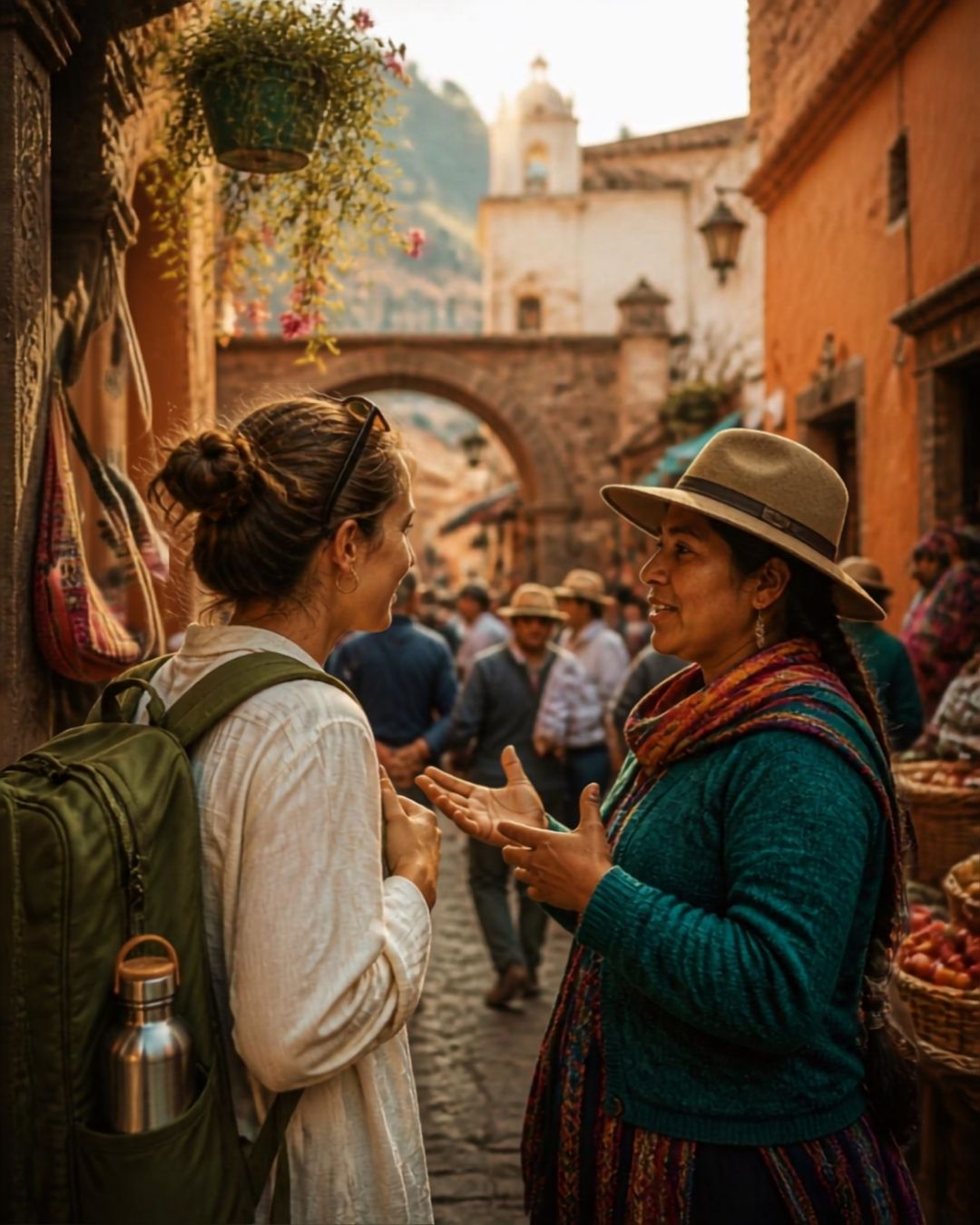



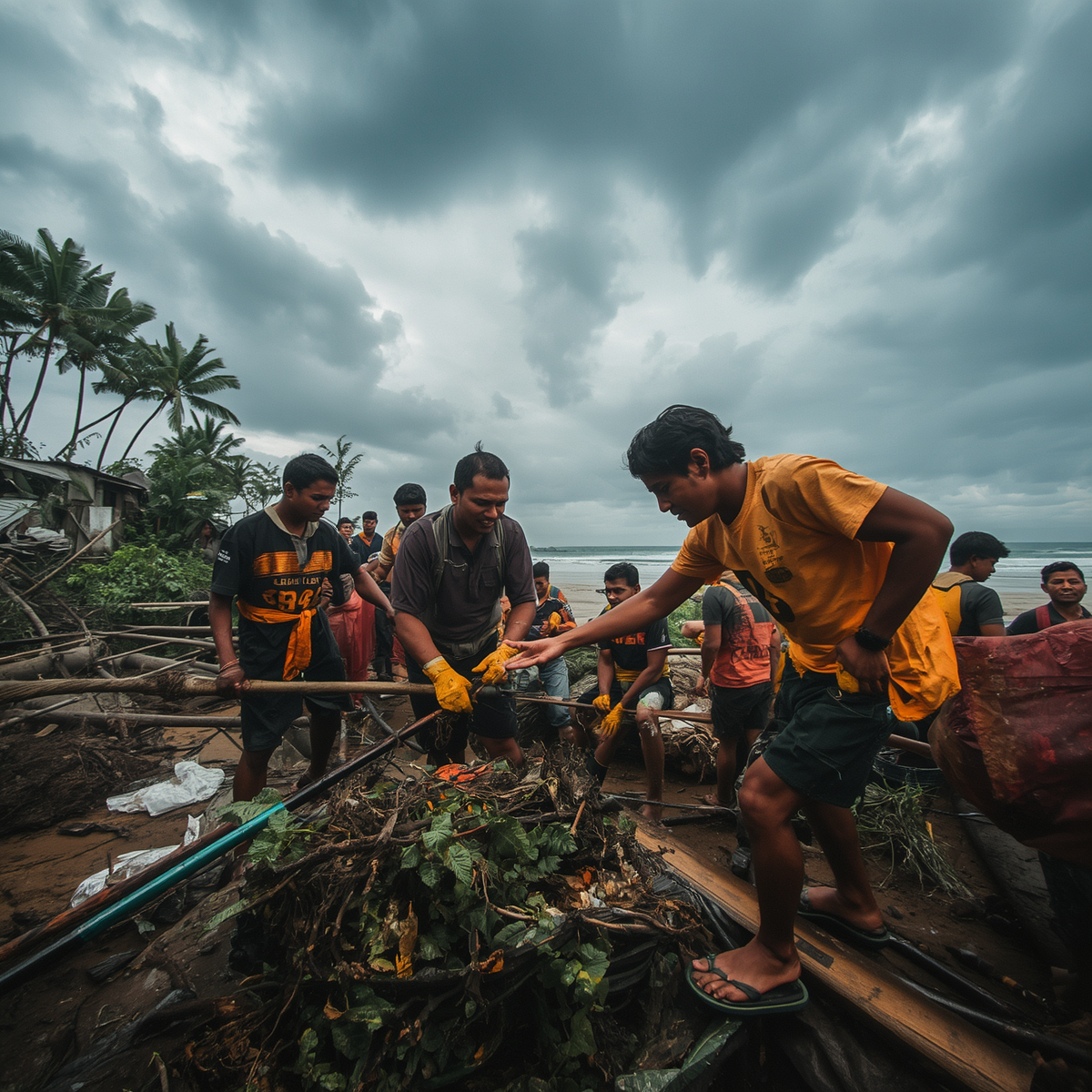







Travel with curiosity. Walk with humility. Learn with an open mind. Respect every culture. Protect every landscape. Support every community. Leave every destination better than you found it. Let your journey create value not only for yourself, but for the people, wildlife, and places that make our world extraordinary. In doing so, travel becomes more than a holiday—it becomes a shared commitment to a more sustainable, peaceful, and connected future.
Travel is far more than moving from one destination to another. It is an opportunity to discover the world, understand humanity, respect nature, learn from different cultures, and leave every place better than we found it.
A true traveler does not simply consume experiences—they contribute to creating a better world through responsible, respectful, and sustainable travel.
1. The Traveler’s Meaning
Travel is about far more than simply going somewhere new or just exploring. At its best, it’s challenging, and it allows us to experience the world with curiosity, openness, and respect—and to return home seeing both the world and ourselves a little differently.
Discover
Travel invites us to step beyond what is familiar and experience new landscapes, cultures, wildlife, traditions, and histories. Discovery begins with curiosity, but it becomes meaningful when that curiosity is accompanied by respect.
Learn
Every destination has something to teach us. We learn from local communities, traditional knowledge, indigenous practices, history, food, architecture, beliefs, and ways of life that may be very different from our own.
Some of the most valuable lessons in travel do not come from museums or guidebooks. They come from conversations, shared meals, unexpected encounters, and simply taking the time to observe.
Connect
Travel brings people together across cultures, languages, religions, and borders. A genuine conversation with someone whose life is very different from our own can sometimes teach us more than visiting a famous landmark.
These human connections are often what remain with us long after the journey has ended.
Appreciate
Seeing the world firsthand can deepen our appreciation for its diversity. We begin to understand the value of a forest, a historic city, a traditional village, a religious ceremony, a coral reef, or a centuries-old cultural practice in ways that photographs alone cannot convey.
With appreciation comes a greater desire to protect what makes each place special.
Grow
Travel challenges us. Plans change. Languages may be unfamiliar. Customs are different. We sometimes find ourselves outside our comfort zones.
Learning to adapt to those moments can build confidence, patience, independence, and perspective. In that sense, travel is not only a journey through places—it can also be a journey of personal growth.
Contribute
The choices we make while traveling have consequences.
Where we stay, what we buy, who we hire, how we behave around wildlife, and how we use natural resources can all affect the places we visit.
Responsible travelers try to ensure that their presence contributes positively—supporting local economies, protecting the environment, and helping communities benefit fairly from tourism.
Inspire
A meaningful journey does not necessarily end when we return home.
Travel can leave us with new ideas, greater understanding, and a stronger appreciation for people and places beyond our own communities. Those lessons can influence how we live, how we treat others, and how we think about our responsibilities in an interconnected world.
2. The Traveler’s Perspective
Responsible travel begins with perspective.
Rather than approaching a destination by asking:
“What can this country give me?”
we can ask:
“How can my visit benefit this country while enriching my own life?”
That small change in thinking can transform the way we travel.
A thoughtful traveler chooses respect before entertainment, learning before judgment, and curiosity before assumptions. Conservation matters more than careless consumption. Gratitude replaces entitlement, while collaboration takes the place of exploitation.
It also means thinking beyond the immediate pleasure of a holiday and considering the longer-term consequences of our choices.
Every destination is more than a tourism product. It is someone’s home. It is a living culture, an ecosystem, a collection of memories and traditions, and part of our shared human heritage.
We are guests in these places, even when we have paid to be there.
That distinction matters.
3. The Traveler’s Responsibility
Every traveler shares some responsibility for protecting the places they are fortunate enough to experience.
This does not mean travel should feel restrictive or complicated. In most cases, responsible travel comes down to awareness, respect, and thoughtful everyday choices.
Respect Nature
Natural places are often among the greatest reasons we travel, yet they can also be among the most vulnerable to tourism.
Stay on designated trails where required, avoid damaging plants or ecosystems, never disturb or feed wild animals, and leave natural objects where they belong.
Reducing waste also matters. Carry reusable items when practical, limit unnecessary plastics, dispose of rubbish properly, and use water and energy thoughtfully—particularly in places where these resources are limited.
A simple principle works almost everywhere: enjoy nature without leaving evidence that you were there.
Respect Local Culture
Culture is not a performance created for visitors. It belongs to the people who live it.
Take time to understand local customs before arriving. Dress appropriately where cultural or religious expectations require it, behave respectfully at sacred sites, and follow local rules even when they differ from those at home.
When photographing people, especially in rural communities, religious settings, or traditional ceremonies, ask permission whenever appropriate.
Even learning a few polite words in the local language can make an interaction warmer and more respectful.
Support Local Communities
One of the most direct ways travelers can create a positive impact is through the way they spend money.
Whenever practical, choose local guides, independently owned accommodation, family-run restaurants, local artisans, community enterprises, and responsible businesses.
Tourism becomes far more valuable when the money it generates remains within the communities that make the destination worth visiting.
Travel Honestly
Responsible tourism also requires ethical judgment.
Avoid illegal wildlife products, attractions that exploit animals or people, and experiences that treat culture as something to be manipulated purely for entertainment.
Do not damage historical sites or remove objects from natural or archaeological areas.
Bargaining may be part of local culture in some destinations, but there is a difference between negotiating fairly and pushing someone to accept an unreasonable price simply because you can.
A good traveler understands that affordability should never depend on another person being treated unfairly.
Be a Good Ambassador
Wherever we travel, our behavior contributes to the impression local people form of visitors from elsewhere.
A respectful interaction can create goodwill. An inconsiderate one can influence how future travelers are received.
Kindness, patience, courtesy, and humility cost nothing, yet they can leave some of the strongest impressions of a journey.
4. The Meaning of Traveling
The deeper meaning of travel is not found in the number of countries visited or destinations collected.
It is found in understanding.
Travel can teach us to become more compassionate, to appreciate cultural differences without fearing them, and to recognize how much people around the world share despite differences in language, nationality, religion, or lifestyle.
It can deepen our understanding of nature and remind us that no single society has all the answers. Every culture carries knowledge, traditions, values, and experiences from which others can learn.
Perhaps that is one of travel’s greatest gifts: perspective.
We leave home thinking we are going to discover another place. Somewhere along the journey, we often discover something about ourselves as well.
The greatest souvenir is not always something we bring home.
Sometimes, it is who we become.
5. The Objective of Traveling
Meaningful travel should create value for everyone involved—not only for the visitor.
A successful journey can create unforgettable experiences while encouraging cultural understanding, supporting conservation, strengthening local livelihoods, and opening opportunities for learning.
Travel can build friendships across borders. It can encourage respect for natural and cultural heritage. It can introduce people to perspectives they may never have encountered at home.
At its best, tourism can even contribute to peace by bringing people together through ordinary human experiences—conversation, hospitality, food, laughter, curiosity, and mutual respect.
Travel truly succeeds when visitors return home enriched and host communities are better, rather than worse, for having welcomed them.
Applying These Principles to Sustainable Travel
Sustainable travel is sometimes misunderstood as giving things up. In reality, it is about ensuring that the places we enjoy today can still be enjoyed tomorrow.
It means meeting the needs of travelers and host communities without damaging the environmental, cultural, or social foundations on which tourism depends.
A sustainable traveler pays attention to their environmental footprint. They reduce unnecessary waste, conserve water and energy, respect wildlife, support responsible businesses, and spend money in ways that strengthen local economies.
Sustainability also extends beyond environmental concerns. Protecting traditions, respecting communities, supporting fair employment, and helping tourism income reach local people are equally important.
Sustainable travel is not about traveling perfectly.
It is about traveling consciously.
It is a commitment to protecting the places we love so that others—including future generations—can experience them too.
Applying These Principles to Eco-Tourism
Eco-tourism is more than visiting forests, national parks, mountains, or wildlife reserves.
Simply traveling into nature does not automatically make an experience environmentally responsible.
True eco-tourism combines meaningful nature experiences with conservation, education, and benefits for local communities.
Responsible eco-travelers visit protected areas carefully, respect wildlife habitats, learn about biodiversity, support conservation programs, and choose operators that take environmental responsibility seriously.
Where appropriate, travelers may also contribute to restoration projects, environmental education, scientific initiatives, or community-based conservation.
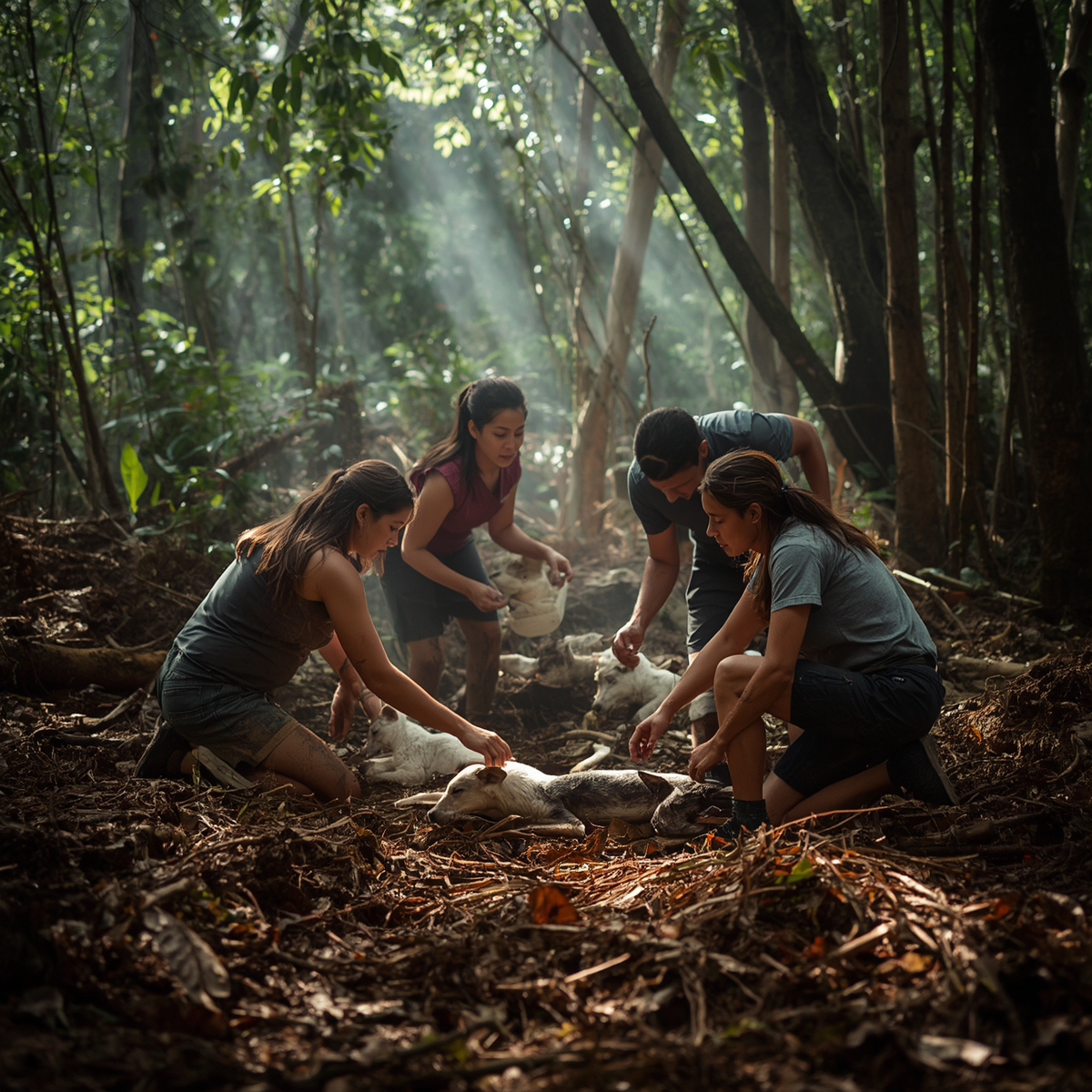
Wildlife deserves particular care. Animals should never be harassed, forced into unnatural behavior, or treated as props for photographs and entertainment.
The goal should be simple: our enjoyment of nature should never come at nature’s expense.
Ideally, eco-tourism should help leave ecosystems better protected because people visited them—not more vulnerable.
Improving the Quality of Travel
The quality of a journey cannot be measured only by the number of attractions visited, photographs taken, or luxury experiences purchased.
A meaningful journey has depth.
It teaches us something. It inspires curiosity. It challenges assumptions. It strengthens relationships and creates opportunities for genuine cultural exchange.
Good travel can also improve well-being by giving us space to slow down, reconnect with nature, spend meaningful time with others, and step outside the routines of everyday life.
Authenticity matters here.
A conversation with a local farmer, an afternoon learning a traditional craft, a walk through a village, or a quiet morning watching wildlife may ultimately become more memorable than rushing through several famous attractions in a single day.
Travel becomes richer when we stop trying simply to consume destinations and begin trying to understand them.
Improving the Quality of People
Travel can change people, sometimes in subtle ways.
Empathy
Meeting people from different backgrounds helps us understand lives and experiences beyond our own.
Patience
Unfamiliar environments rarely work exactly as we expect. Learning to adapt calmly is part of the journey.
Humility
Travel reminds us that our own customs and assumptions are not universal. Different societies solve problems, celebrate life, raise families, worship, work, and build communities in different ways.
Gratitude
Seeing how other people live can deepen our appreciation for things we may previously have taken for granted.
Confidence
Navigating unfamiliar places, communicating across language barriers, solving unexpected problems, and making decisions away from home can build genuine self-confidence.
Responsibility
Travel constantly presents us with choices—where to spend money, how to treat people, how to interact with animals, and how much impact we leave behind.
Making those choices thoughtfully strengthens our sense of responsibility.
Wisdom
Perhaps most importantly, travel teaches us that the world can be understood from more than one perspective.
The best journeys improve not only the traveler, but also the relationship between the traveler and the destination.
Enhancing the Communities We Visit
Tourism should strengthen communities, not gradually weaken the qualities that made them special in the first place.
Travelers have more influence over this than they may realize.
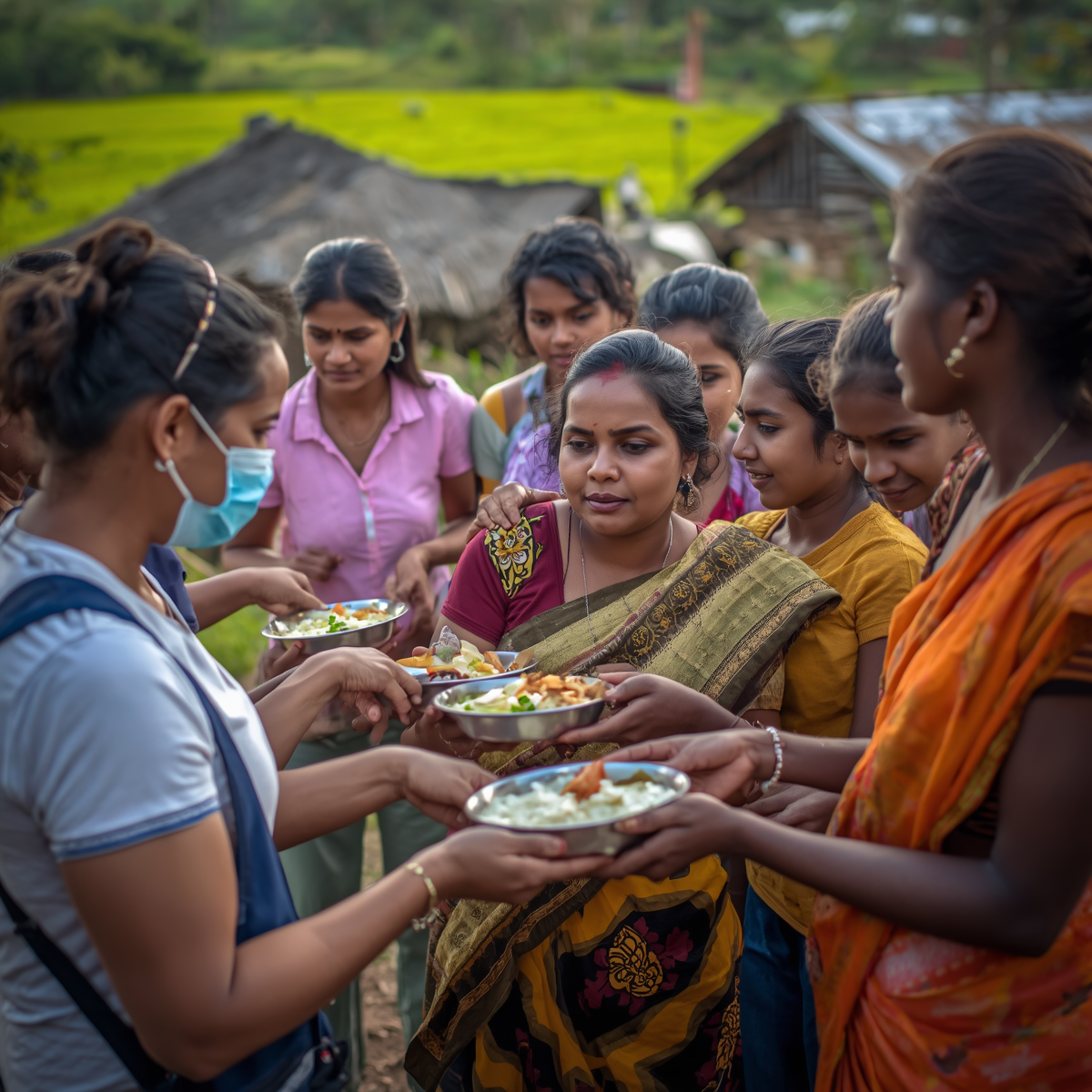
Choosing a locally owned restaurant rather than an international chain, hiring a knowledgeable local guide, buying directly from artisans, or staying with a responsible community-based tourism business can help tourism income circulate within the destination.
Respecting traditions is equally important. Communities should not feel pressured to change their identity simply to satisfy visitor expectations.
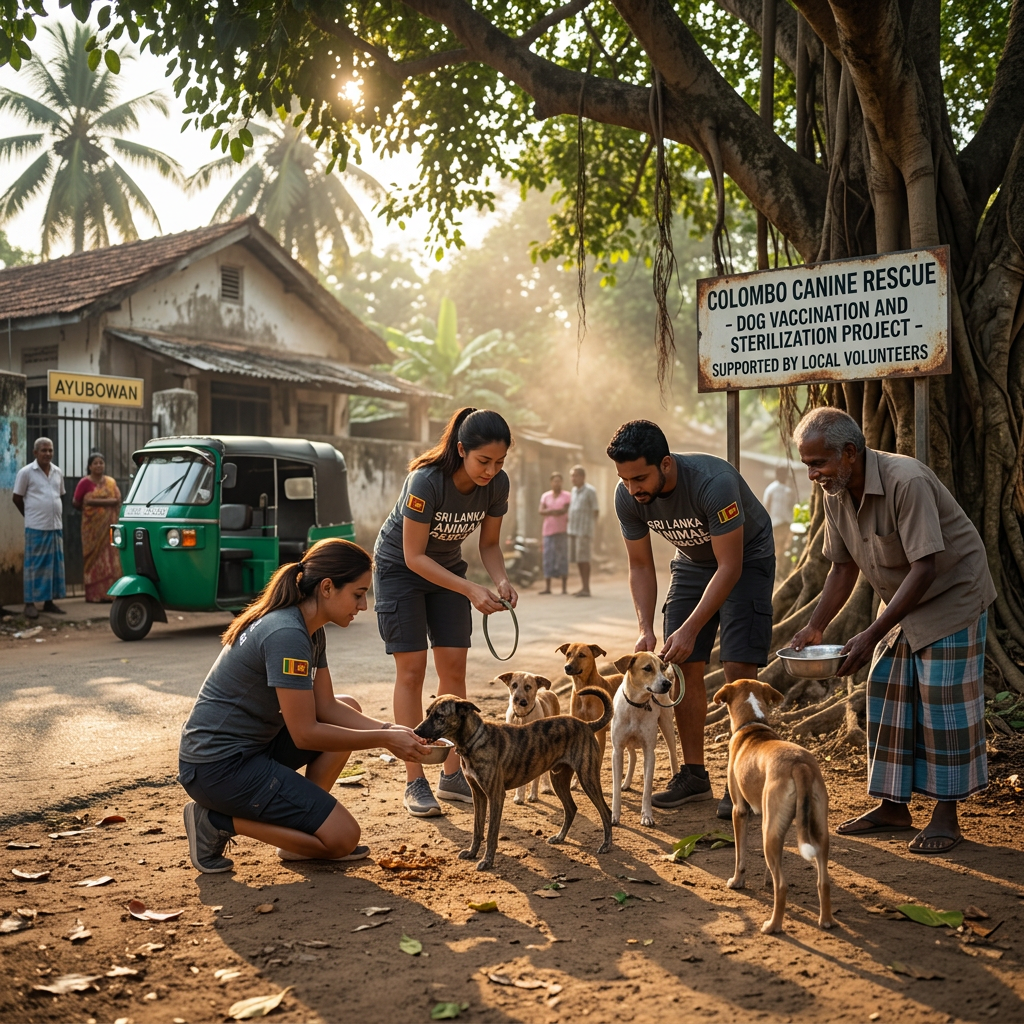
Travelers can also support cultural heritage projects, community tourism initiatives, ethical volunteering programs, conservation efforts, and businesses that provide fair employment.
Even something as simple as leaving a thoughtful review for a responsible local business can help.
The healthiest tourism relationships are partnerships.
Communities are not attractions, and travelers are not merely customers. When both sides are treated with dignity and respect, tourism can become a genuine exchange.
Creating Peaceful, Honest, and Visionary Tourism
Few industries bring people from different cultures into direct contact as frequently as tourism.
That gives travel a remarkable ability to build understanding.
Peaceful Tourism
Peaceful tourism encourages mutual respect, cultural understanding, dialogue, kindness, inclusion, and cooperation.
A traveler may not change the world through a single journey, but thousands of respectful encounters between people from different backgrounds can slowly challenge stereotypes and replace assumptions with real human experience.
Honest Tourism
Tourism should also be built on trust.
That means transparent pricing, truthful marketing, fair wages, ethical business practices, respect for workers, and experiences that genuinely represent the destination rather than manufacturing false versions of local culture for commercial gain.
Travelers deserve honesty from tourism businesses.
Local communities deserve it too.
Visionary Tourism
Visionary tourism looks beyond the next booking season or the next quarter’s profits.
It asks bigger questions.
How can tourism help restore damaged environments?
How can it strengthen communities rather than displace them?
How can travel educate younger generations?
How can tourism preserve traditions while allowing cultures to evolve naturally?
And how can the simple act of people visiting one another’s countries contribute to greater understanding and peace?
These questions move tourism beyond recreation alone. They allow us to see it as a force capable of creating long-term social, cultural, environmental, and economic value.
Protecting Travel for Future Generations
Every generation inherits extraordinary natural and cultural treasures from those who came before.
Forests, oceans, wildlife, ancient cities, sacred places, traditional knowledge, languages, architecture, music, food, craftsmanship, and living cultural traditions have survived because someone protected them.
Our generation carries the same responsibility.
Future-focused travel means protecting biodiversity, reducing pollution, conserving heritage sites, supporting climate-conscious practices, and encouraging forms of development that do not destroy the very places tourism depends upon.
It also means preserving local traditions without freezing cultures in the past. Living cultures naturally change. Responsible tourism should give communities the freedom and resources to decide how their heritage evolves.
Travelers can contribute by supporting conservation, choosing responsible businesses, sharing good practices with others, and treating every destination as something temporarily entrusted to their care.
The goal is not simply to preserve tourism.
It is to preserve the world that makes travel worthwhile.
If we travel thoughtfully today, future generations may still walk through thriving forests, encounter wildlife in the wild, explore living historic cities, experience authentic cultural traditions, and be welcomed into communities that have benefited from tourism rather than been overwhelmed by it.
That is a legacy worth leaving.